
Saanich Farm Unlicensed Businesses Bylaw Violation:Court Ruling and Key Lessons for Farmers and Residents
In a recent ruling that has sparked conversations across rural British Columbia, a Saanich farm unlicensed businesses bylaw violation case highlights the strict lines between farming and commercial activities on protected land. On June 18, 2025, the BC Supreme Court sided with the District of Saanich, ordering farm owner Nancy Kinney to dismantle unlicensed operations and clear out most recreational vehicles (RVs) used as housing on her 17-acre property. This decision underscores the challenges of balancing agricultural roots with modern income needs, while protecting the Agricultural Land Reserve (ALR) from urban creep. If you’re a local resident worried about neighborhood changes or a farmer navigating permits, this case offers clear guidance on staying compliant.
The Background of the Saanich Farm Case
Picture a quiet stretch of rural Saanich, where rolling fields meet forested edges along Old East Road. This is home to the property at the heart of the Saanich farm unlicensed businesses bylaw violation. Owned by Nancy Kinney, the 17-acre site sits firmly within the ALR, a provincial designation meant to safeguard prime farmland from non-agricultural development. Established in 1973, the ALR covers about 4.6 million hectares across BC, but only around 50% of it actively produces food today. In Saanich alone, agricultural land makes up roughly 20% of the district’s footprint, supporting everything from berry patches to horsepastures.capitaldaily.ca
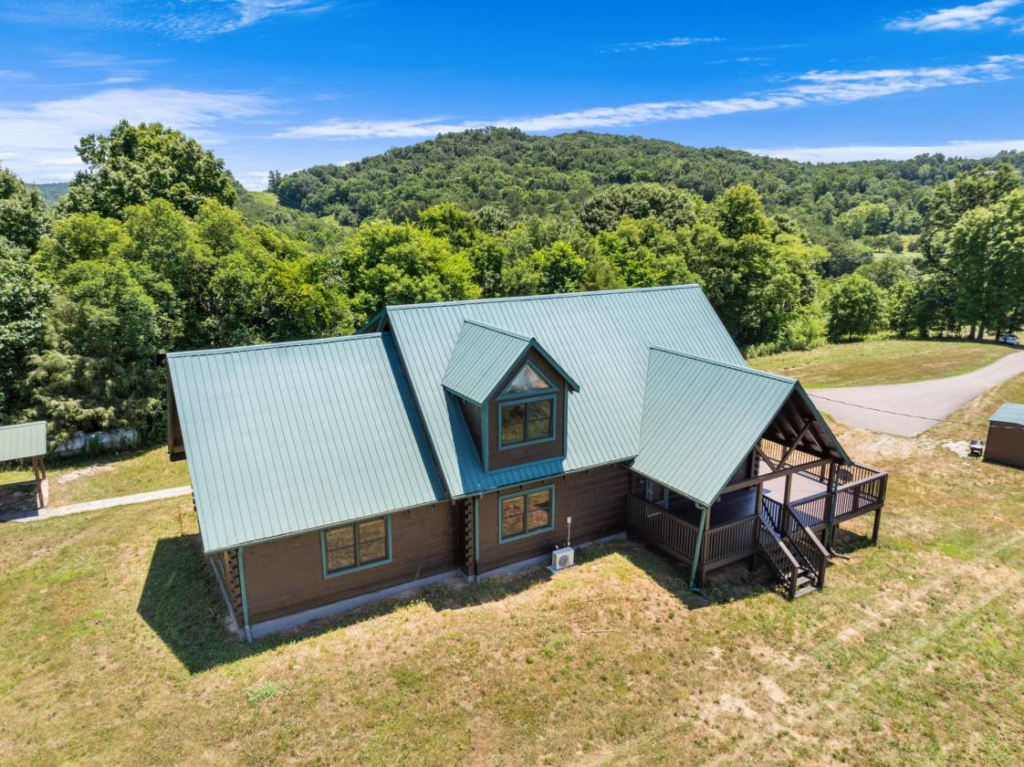
Kinney’s farm started as a typical rural setup: a large house, barns, and open spaces for grazing. But over time, it evolved. A covered riding ring became a parking spot for boats and trailers. A metal workshop turned into the base for Metal Magnate Art Ltd., churning out custom pieces sold online. Patio furniture popped up under tarps, advertised on marketplaces. And RVs—up to 10 of them—hooked into septic, water, and power lines, housing workers, tourists, and even “shareholders” from a leasing company. What began as creative ways to supplement farm income crossed into territory that Saanich bylaws deem off-limits.
Local officials noticed red flags during routine checks. A business license inspector spotted eight occupied RVs and evidence of sales operations. Bylaw officers documented the main house divided into three units—far beyond the allowed single-family dwelling plus one secondary suite. Building inspectors flagged unpermitted structures. These observations fueled Saanich’s petition to the court, leading to Justice Kevin Loo’s decisive ruling.
This isn’t an isolated story. Across Vancouver Island, Vancouver Island farm zoning issues like these arise when economic pressures push farmers toward side hustles. A 2024 survey by Saanich residents showed 20.4% prioritizing stronger municipal bylaw enforcement in Saanich to preserve rural character. Kinney’s case echoes broader tensions: How do you farm profitably without inviting rural land use conflicts Saanich?
What Sparked the Court Ruling? Breaking Down the Violations
The court’s decision boiled down to three core injunctions, each tied to specific bylaws. Let’s unpack them step by step, so you see exactly where the lines blurred.
1. Unlicensed Businesses: From Art to Parking, What Crossed the Line?
At the center of this Saanich farm unlicensed businesses bylaw violation were operations that strayed from “farm use.” Saanich’s Zoning Bylaw No. 8200 outlines permitted activities on rural-zoned ALR land: agriculture (like growing crops or raising livestock), single-family dwellings, boarding (limited guest stays), home occupations (small-scale work from home), accessory produce sales (selling your own farm goods), and basic structures. Anything else? It needs a permit or license.saanich.ca
Kinney’s setup included:
- Metal Magnate Art Ltd.: Invoices, order forms, and a dedicated workshop proved this was a full business, not a hobby. Online ads showed sales of metal sculptures—cool, but not “accessory produce.”
- Patio furniture sales: A tarped area matched listings for outdoor sets. Inspectors linked it directly to commercial intent.
- Indoor parking for boats, trailers, and vehicles: Trucks filled the riding ring, advertised as secure storage. This screamed service-for-profit, not farm support.
Under Saanich’s Business License Bylaw (similar to Central Saanich’s No. 2050), you can’t run a business—defined as any commercial undertaking for gain—without a license unless it’s exempt from farm production. Exemptions cover growing and selling your own veggies from a tiny stand (under 10 m²), but not art studios or storage lots. The court ruled these activities “none of these permitted uses,” ordering a full shutdown.centralsaanich.casaanichnews.com
Why does this matter? Farm use vs commercial use Saanich is a fine line. A farmer fixing their own tractor? Fine. Charging neighbors for repairs? That’s a farm business licensing Saanich requirement. In BC’s ALR regs, non-farm businesses need Agricultural Land Commission (ALC) approval, often denied to keep land productive.alc.gov.bc.ca
2. RV Homes: Temporary Housing Turns Permanent Problem
RVs dotted the property like unintended campers at a festival. Saanich accused Kinney of running 10 sites as de facto rentals—complete with utilities—for tourists, workers, and company affiliates. Inspectors saw laundry drying, lights on at night, and personal items inside eight units.
Zoning allows “boarding” but caps it tightly: short-term for farm help, not long-haul living. The ALR Use Regulation permits agritourism stays (like picking strawberries overnight), but not RV parks. Justice Loo issued an injunction banning RV use for lodging, sleeping, or residence—except for true agritourists—effective July 31, 2025, to give tenants time to pack up.bclaws.gov.bc.ca
This ties into RVs on farmland Saanich debates. Illegal RV homes on farms spike in rural areas as housing costs soar; BC saw a 25% rise in temporary dwellings on ag land from 2020-2024. But on ALR, they’re a no-go without permits, as they fragment fields and strain septic systems.
3. Housing Overload: More Units Than Allowed
The main house? Divided into three suites without permits. Zoning permits one principal residence plus one secondary suite (up to 90 m²). Extra units scream unauthorized dwellings, violating building codes and ALR housing caps.
Recent ALR changes (2021) allow a second residence on larger parcels for farm workers, but Kinney’s setup lacked approvals. The court capped it at one secondary suite, forcing reconfiguration.bcfarmandranch.com
Why This Saanich Farm Unlicensed Businesses Bylaw Violation Resonates with Locals
If you’re a local resident of Saanich and surrounding areas, this case hits close to home. Neighbour complaints farm businesses often start small—a noisy workshop or parked RVs blocking views—then snowball into quality-of-life issues. Kinney’s neighbors raised flags about traffic, noise, and eroding community integrity. Property values in rural Saanich hover around $1.2 million for ALR parcels, and unchecked commercial creep can tank that by 10-15%, per local real estate reports.
Community groups like the Saanich Peninsula Agricultural Alliance cheer these rulings. They worry about impacts on property values and neighbourhood quality, especially as Greater Victoria’s population swells. One resident quoted in local coverage said, “We moved here for peace and fields, not a mini industrial park.”timescolonist.com
For farm owners and agricultural land stakeholders, it’s a wake-up call on regulatory clarity, farming rights, allowable uses. Many juggle slim margins—BC farms average $250,000 in gross revenue, but costs eat 70%. Side gigs like event spaces or storage seem harmless, but they risk farm bylaw violation fines Saanich. Kinney’s not alone; a 2023 ALC report noted 150+ exclusion applications for non-farm uses, with 60% denied.centralsaanich.ca
Land use lawyers, planners, and policy advocates dissect this for precedents. The ruling clarifies how local bylaws interact with provincial ALR regulations: Municipal zoning trumps for day-to-day enforcement, but ALC oversees big changes. It sets a bar for proving “home occupation” vs. full business—look for revenue thresholds (under $30,000/year often qualifies) and square footage limits.
Journalists and civic reporters? This fuels Saanich local news farm dispute stories, mirroring Central Saanich farm bylaw case vibes. Times Colonist coverage emphasized broader land use impacts, like how 14% of Island farms gross over $100K but face similar squeezes.timescolonist.com
And for policy makers & municipal officials, it’s ammo for bylaw drafting and revisions. Saanich’s 2025 enforcement budget jumped 15% post-ruling, focusing on ALR patrols.
AudiencePrimary ConcernHow This Case HelpsLocal residentsCommunity integrity, land use impactsReinforces enforcement to maintain rural charmFarm ownersRegulatory clarity, farming rights, allowable usesSpells out permitted vs. prohibited opsLegal/Planning prosPrecedent, zoning and bylaw interpretationJudicial blueprint for ALR compliance fightsJournalistsCommunity interest stories, legal decisionsTimely hook for rural policy piecesPolicymakersEnforcement outcomes inform future bylaw updatesData for zoning tweaks and public comms
Navigating Saanich’s Rules: What Businesses Are Allowed on Saanich Farms?
Diving deeper into what businesses are allowed on Saanich farms, start with the basics. Do farms need business licenses in Saanich? Yes, unless exempt. Core farm activities—like planting kale or selling your honey at a roadside stand—skip the paperwork. But add a twist, like a bakery using farm eggs? License up.
From Saanich Zoning Bylaw 8200:
- Permitted outright: Crop/livestock production, farm wineries (under ALC nod), direct-market sales of your goods.
- Conditional: Home-based businesses (e.g., online craft sales, max 25% of home floor space), agritourism (tours, U-pick, limited stays).
- Prohibited without variance: Retail stores, storage yards, workshops for non-farm clients.
ALR regs echo this: Can you run a business on ALR land? Sure, if it’s farm-linked. The 2019 Agricultural Land Use Regulation greenlights “controlled environment structures” like greenhouses, but bans industrial ops. For housing, one principal home per parcel; extras need ALC approval for worker needs.bclaws.gov.bc.ca
Temporary housing on agricultural land? Tricky. Unauthorized dwellings on ALR land like unpermitted RVs draw swift action. Post-2021 reforms allow one additional residence (up to 186 m²) on big lots, but only for farm support.alc.gov.bc.ca
Examples from the field:
- Allowed: A Saanich berry farm hosting weekend markets for its jam—pure accessory produce.
- Violated: A North Saanich site storing cars, hit with a 2020 ALC denial for non-farm use.northsaanich.ca
- Borderline: Saanich farm RV enforcement for seasonal pickers—permit it, or face eviction orders.
The Stakes: Penalties for Unlicensed Farm Businesses Legal Consequences
Ignore these, and costs mount fast. Saanich’s Bylaw Notice Enforcement Bylaw No. 9525 sets penalties for unlicensed farm businesses at $100 minimum per violation, up to $10,000 max—and each day counts separately. For Kinney, no fines hit in this ruling (a prior 2018 noise case nicked her $400), but injunctions mean compliance or contempt charges.saanich.ca
Court ruling Saanich farm cases like this can order shutdowns, evictions, and retroactive permits (costing $5,000+). Broader ALR breaches? ALC fines top $1 million, plus land exclusion denials that slash resale value by 30%.
Stats paint the picture: Saanich issued 250+ bylaw tickets in 2024, 40% ALR-related. Island-wide, ALR land use restrictions Saanich enforcement rose 20% since 2022, per ALC data.facebook.com
How to Comply with Saanich Farm Bylaws: Actionable Tips for Success
Feeling overwhelmed? You’re not alone. Here’s a straightforward guide to sidestep Saanich zoning bylaw farm violations. These steps keep you legal, profitable, and neighbor-friendly.
Step 1: Map Your Operations
- List every activity: Is it growing, selling your harvest, or something extra like classes?
- Check against Zoning Bylaw 8200—download it here.
- Tip: Use ALC’s online tool for ALR checks; it’s free and fast.
Step 2: Get Licensed Smartly
- For farm business licensing Saanich, apply online via Saanich’s portal. Fees start at $150/year.
- Exempt? Prove it—keep receipts showing 80%+ revenue from farm goods.
- Pro tip: Consult a planner early. Many qualify for home occupation waivers if under $20K revenue.
Step 3: Handle Housing and RVs Right
- Limit to one secondary suite; apply for worker housing via ALC if needed (processing: 3-6 months).
- Saanich farm RV enforcement? Use for short agritourism only—max 14 days/guest, with septic plans.
- Avoid pitfalls: No utilities to RVs without permits, or risk $500/day fines.
Step 4: Engage Your Community
- Chat with neighbors before launching. Share plans to build buy-in.
- Join groups like the Saanich Farm Bureau for peer advice on Saanich agricultural zoning and business limits.
Step 5: Monitor and Adapt
- Annual self-audits: Snap photos, log sales.
- If issues arise, negotiate compliance agreements—Saanich offers 50% fine discounts for quick fixes.saanich.ca.granicus.com
For beginners eyeing farm ventures, check this simple business guide on setup basics. Selling extras? Follow this step-by-step guide for beginners to stay compliant while marketing.
Bonus: Penalties for unlicensed farm businesses sting less with prep. One Saanich farmer avoided court by pivoting to licensed agritourism—now hosting 200 visitors yearly, boosting income 40%.
Broader Implications: ALR Tensions and Future Outlook
This Saanich farm unlicensed businesses bylaw violation isn’t just one property’s headache—it’s a microcosm of BC’s ag evolution. With climate shifts hitting yields (down 5% Island-wide last year) and housing shortages pushing RVs onto fringes, pressures mount. Policymakers eye tweaks: 2025 proposals include looser agritourism rules, but tighter on storage ops.
For legal focus: implications of this case for future enforcement, zoning, and ALR use, watch appeals. Kinney could challenge, setting precedents on “intent” vs. evidence. Meanwhile, Central Saanich’sbusiness license bylaw1 offers a model—exemptions for true farm sales, but ironclad on commercials.
horseproperties.net2
Residents gain reassurance: Enforcement works. Farms thrive with clarity: Stick to roots, license the extras. As one ALC official noted, “ALR protects food security for generations—balance is key.”
Explore the fullcourt rules Saanich farm violated bylaws details for deeper dives.
Frequently Asked Questions About Saanich Farm Unlicensed Businesses Bylaw Violation
What is the Saanich farm unlicensed businesses bylaw violation?
A farm in Saanich broke rules. The owner ran businesses without a license. She also let people live in RVs and had too many homes on the land. A court said this was not allowed in June 2025.
Why did the court say the farm broke the rules?
The land is in a special area called the Agricultural Land Reserve (ALR). This area is for farming only. Rules say you can grow food, have one main house, and one small extra home. You can sell your own farm things. But you cannot run big businesses like selling art or furniture, or store boats for money. You also cannot let many people live in RVs there.
What businesses were not allowed on this farm?
The farm had:
- A metal art shop that sold things online.
- Patio furniture for sale.
- A place to park boats and trailers for money. These are not farm work. They need a special license.
Can people live in RVs on Saanich farms?
No, not usually. RVs are for short visits, like tourists picking fruit. They cannot be full-time homes. The court said to remove most RVs by July 31, 2025.
How many homes can you have on a Saanich farm?
Only one main house and one small extra home (called a secondary suite). The farm had three, so that broke the rule.
Do farms need business licenses in Saanich?
Yes, if the business is not just farming. Selling your own crops from a small stand is okay without a license. But big sales or other work need one.
What happens if you break these rules?
You may have to stop the business. You may pay fines. The court can order you to fix things, like remove RVs.
What businesses are allowed on Saanich farms?
Good ones include:
- Growing crops or raising animals.
- Selling what you grow.
- Small work from home with a license.
- Short stays for farm visitors.
Conclusion: Staying Ahead in Saanich’s Rural Landscape
Wrapping up, the Saanich farm unlicensed businesses bylaw violation serves as a pivotal reminder: Rural life in the ALR demands respect for rules that preserve our green heritage3. From shutting down non-farm ventures to curbing RV sprawl, this ruling prioritizes agriculture while offering paths for innovation—like licensed home ops or seasonal stays. Local residents can breathe easier knowing enforcement upholds neighborhood standards. Farmers, arm yourselves with permits and plans to turn potential pitfalls into prosperity. Lawyers and officials use this precedent to refine policies. And reporters, keep shining lights on these stories that shape our communities.
Ultimately, compliance isn’t a burden—it’s a bridge to sustainable success. What’s your take: How can Saanich better support farmers without compromising the ALR? Share in the comments below.
References
- Saanich Zoning Bylaw No. 8200: Permitted uses on rural land.saanich.ca ↩︎
- Central Saanich Business Licence Bylaw No. 2050 (2023): Licensing exemptions and penalties.centralsaanich.ca ↩︎
- Saanich News (June 20, 2025): Court ruling details.saanichnews.com ↩︎
