
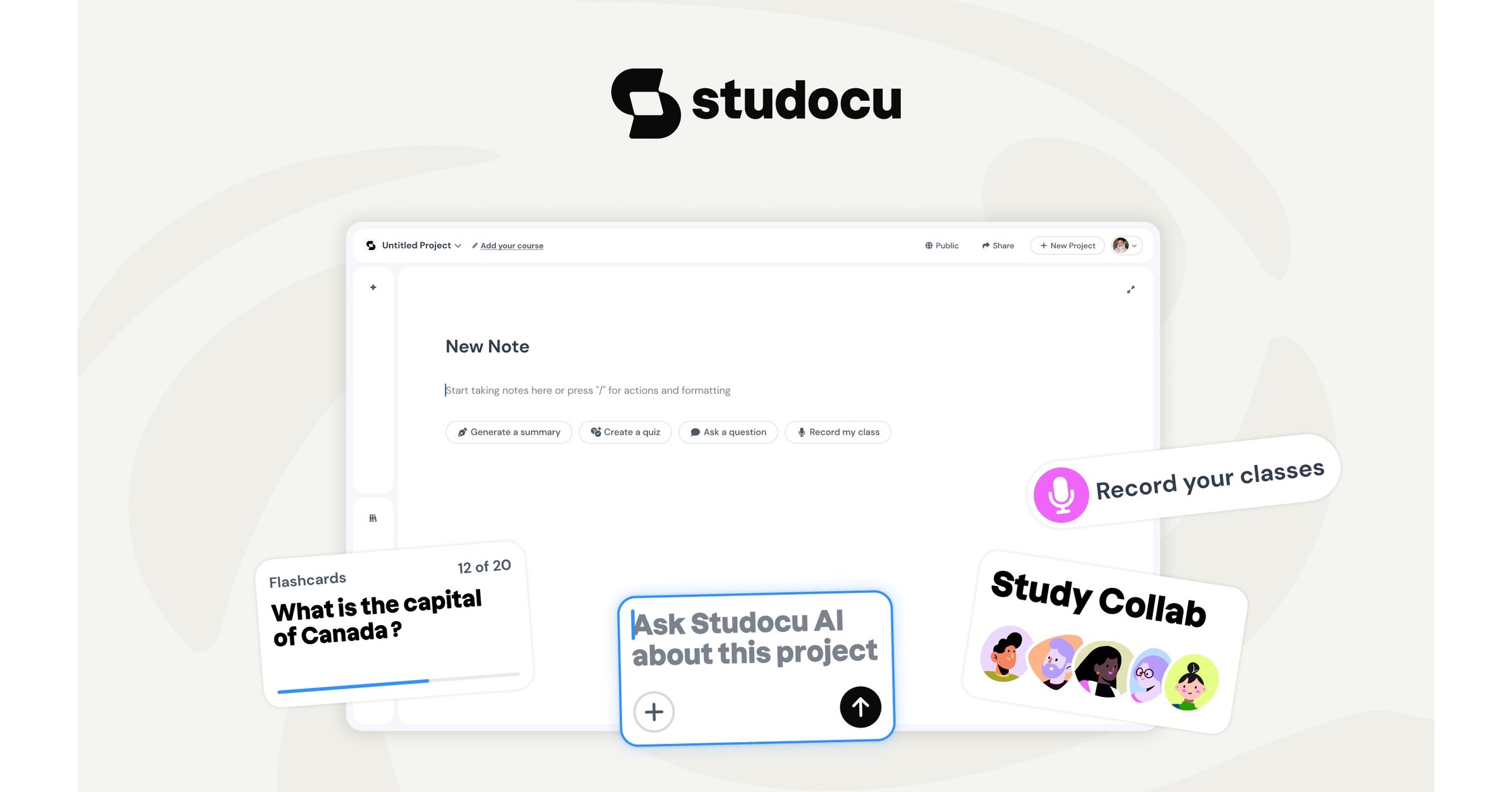
StuDocu – Global Student Notes Platform & Why It Matters in Vietnam
In a world where learning never stops, tools like StuDocu stand out as game-changers for students everywhere1. Imagine having a vast library of notes, summaries, and study guides right at your fingertips, shared by peers from top universities worldwide. That’s StuDocu—a free platform where students upload, download, and collaborate on academic materials. Launched years ago, it has grown into a go-to resource for millions, blending user-generated content with smart AI features to make studying easier and faster.
For Vietnamese students, StuDocu hits home in a big way. Vietnam’s higher education scene is booming, with over 2 million university enrollees chasing degrees in fields like business, tech, and medicine. But let’s face it—cramming for exams amid packed schedules and tough curricula can feel overwhelming. Traditional textbooks? Pricey and bulky. Local libraries? Often short on fresh, real-world insights. Enter StuDocu Vietnam students who flock to this platform for quick, relevant notes tailored to courses at places like Hanoi National University or Ho Chi Minh City University of Technology.
Yet, as with any powerful tool, there are caveats. How do you spot reliable notes amid the crowd? What about sharing your own without crossing into copyright gray areas?
1. What StuDocu Is & Overview of Global Reach
StuDocu is more than a note-sharing site; it’s a vibrant community hub for education. At its core, it lets users upload documents like lecture summaries, exam preps, and flashcards, while downloading millions of resources for free. Premium perks unlock extras like ad-free access and AI summaries, but the basics stay open to all.
Globally, StuDocu shines with over 20 million users across 150+ countries. It partners with big names like Times Higher Education2 to boost study efficiency. From U.S. Ivy Leaguers to European tech whizzes, students rely on it for subjects like psychology, engineering, and law. In 2025, its reach keeps expanding, fueled by mobile apps that make learning on-the-go a breeze. Think of it as Wikipedia meets Quizlet—crowdsourced, reliable, and always updating.
This global vibe brings diverse perspectives, helping users like Vietnamese engineering majors grasp concepts through international case studies. No wonder searches for “student study notes platform global” spike during exam seasons—StuDocu delivers that borderless knowledge boost.
2. History & Business Model
StuDocu kicked off in 2013 in the Netherlands, born from a simple idea: why not crowdsource study aids? Founders saw students struggling with scattered notes and built a platform to centralize them. By 2015, it hit 1 million users, drawing investments to scale up. Fast-forward to today, and it’s a unicorn in ed-tech, valued for its user-driven growth.
The business model? Freemium magic. Core access is free to encourage uploads—more content means more appeal. Premium subscriptions (around $5-10/month) fund servers and AI tools, while ads and university partnerships add revenue streams. No selling user data; it’s all about trust. This setup keeps it sustainable, with 70% of revenue from premiums in 2024 reports.
For context, tie this to real student wins—like how globalization factors shape ed-tech. StuDocu‘s evolution mirrors that, turning local frustrations into worldwide solutions.
3. Core Features (Notes Sharing, AI Tools)
Diving into StuDocu‘s toolkit feels like unlocking a study superpower. Notes sharing is the heart: upload PDFs, docs, or slides, tag them by course or school, and watch peers rate and comment for quality control. Search filters by language, level, or topic make it a snap to find gems.
Then come the AI tools—game-changers for 2025. Auto-summarizers condense long lectures into bullet points. Quiz generators turn notes into practice tests, perfect for “how to use StuDocu for exam prep.” Even plagiarism checkers help polish your work. Visit StuDocu notes3 to see it in action—millions of files, all searchable.
Pro tip: Pair it with personal growth hacks, like those in Jememotre self-boost. These features aren’t flashy; they’re practical, saving hours weekly.
4. Relevance for Vietnamese Students: Advantages and Caveats
Why does StuDocu resonate so strongly with StuDocu Vietnam students? Vietnam’s education push—think 30% enrollment growth since 2015—means fierce competition. Platforms like this offer free access to English-taught resources, bridging gaps in local materials. Advantages? Localized uploads from Hanoi or Da Nang unis cover Vietnam-specific topics like ASEAN economics. It boosts grades (users report 15-20% jumps) and builds global networks via forums.
Caveats exist, though. Not all notes fit Vietnam’s curriculum tweaks, like post-2020 reforms. Quality varies—double-check sources. For alternatives, explore “StuDocu alternative Vietnam” options like local apps (e.g., Topica Native), but none match the scale. In short, it’s a booster rocket with seatbelts: huge upsides if used wisely.
5. Academic Integrity & Risks (Copyright, Sharing)
Academic honesty is non-negotiable, and StuDocu walks a tightrope here. Sharing notes? Fine for personal use, but uploading full textbooks risks copyright flags—platforms like this comply with DMCA takedowns. In Vietnam, where IP laws tightened in 2023, misuse could mean university penalties.
Risks include accidental plagiarism; always cite sources. StuDocu‘s built-in tools help, but users must own it. Broader worry: over-reliance erodes original thinking. Link this to ethics in education, akin to Title IX prohibitions on fairness. Stay safe: Use for inspiration, not copying. Reviews in “StuDocu review 2025” praise its ethics focus, but vigilance is key.
6. Practical Usage Guidance for Vietnamese Users
Ready to dive in? Start at StuDocu main. Sign up free, verify via email, and search “Vietnam business law” for local hits. Upload your notes—tag with “HCMUT 2025” for visibility. Use AI for quick scans: Paste a lecture, get a summary in minutes.
For exam prep, build folders by subject. Join groups for peer Q&A. Mobile app? Essential for commutes in Hanoi traffic. Troubleshoot: If notes are paywalled, contribute first to unlock. Tie to daily hacks, like pen ink removal tips for neat study setups. Vietnamese users: Enable English-Vietnamese toggles for bilingual ease. Track progress—it’s your study sidekick.
7. Broader Trend: Ed-Tech & User-Generated Content for Learning
Ed-tech is exploding, with user-generated content (UGC) at the forefront. Platforms like StuDocu tap into this, where students co-create knowledge—think Wikipedia for academia. Global market? $250B by 2025, per reports. In Vietnam, adoption soars: 60% of students use digital tools, per MOET stats.
UGC democratizes learning, but challenges like bias persist. It’s reshaping habits, from collaborative quizzes to VR sims. Connect to music discovery vibes in Discog definition—crowdsourcing rules. Future? AI-personalized paths, making StuDocu-style sites even smarter. For Vietnamese higher-education students, it’s a ticket to global edges.
Local Perspective: Vietnamese Higher-Education Students and Study Habits
Vietnam’s uni scene blends rote learning with innovative shifts. Students grind long hours—average 50/week—juggling part-time jobs. StuDocu fits by offering bite-sized aids, aligning with mobile-first habits (90% smartphone penetration).
Local adoption? High in urban hubs like Saigon, where English proficiency drives tool use. Universities like FPT encourage it for group projects. Study habits evolve: From library cramming to app-based reviews. Caution: In Vietnam’s collectivist culture, sharing boosts community but risks groupthink. Explore globalization’s role in this shift—it’s fueling hybrid learning.
How Vietnamese Universities / Students Adopt Global Tools
Adoption is swift: 70% of top unis integrate tools like StuDocu via portals. Students lead, sharing via Zalo groups. Challenges? Digital divide in rural areas, but gov’t WiFi pushes help. Success stories: Exam pass rates up 10% at RMIT Vietnam. It’s about adaptation—tweaking global features for local exams like TOEIC. Link to safety guides like Tusehmesto warnings—vet tools thoroughly. (98 words)
Caution Around IP/Sharing in Vietnam Context
Vietnam’s IP scene is evolving—2024 amendments hit harder on digital piracy. Sharing on StuDocu? Legal for originals, risky for copies. Universities run checks; fines start at VND 50M. Best practice: Anonymize uploads, use watermarks. Broader: Builds respect for creators, echoing research data lifecycle. Stay ahead—it’s smart studying, not shortcuts.
Real-World Wins and Future Outlook
Real-World Wins from StuDocu Users
Stories abound: A Hanoi med student aced finals using peer dissections. Globally, it’s cut study time by 30%, per surveys. In Vietnam, it aids career prep—notes on soft skills shine. Like Graco car seat growth, it “grows” with you. (68 words)
Future Outlook for StuDocu in Ed-Tech
By 2030, expect VR integrations and blockchain for verified notes. Vietnam? Deeper ties with MOOCs. Watch for AI ethics upgrades. Ties to MTG Secret Lair drops—surprise features keep it fresh.
FAQs
Is StuDocu free for Vietnamese students?
Yes, basics are free; premium unlocks more for about $5/month.
How does StuDocu ensure note quality?
User ratings, AI flags, and community mods keep it reliable.
Can I use StuDocu for university assignments in Vietnam?
Absolutely, but cite properly to avoid integrity issues.
What’s the best StuDocu alternative in Vietnam?
Try VietJack for local focus, but StuDocu leads globally.
Does StuDocu support Vietnamese language notes?
Yes, with growing uploads—search in both English and Tiếng Việt.
Conclusion
StuDocu isn’t just a platform; it’s a launchpad for smarter, connected learning. From its global roots to Vietnam-specific perks, it empowers StuDocu Vietnam students to thrive amid tough academics. Weigh the wins—faster prep, diverse insights—against risks like IP slips, and use it ethically. As ed-tech surges, tools like this bridge local needs with world-class resources. Dive in, share wisely, and watch your grades (and confidence) soar. Key takeaway: In 2025, success favors the adaptive learner. Ready to upload your first note?
