
Who Did Jack Ruby Notoriously Shoot on November 24th 1963?
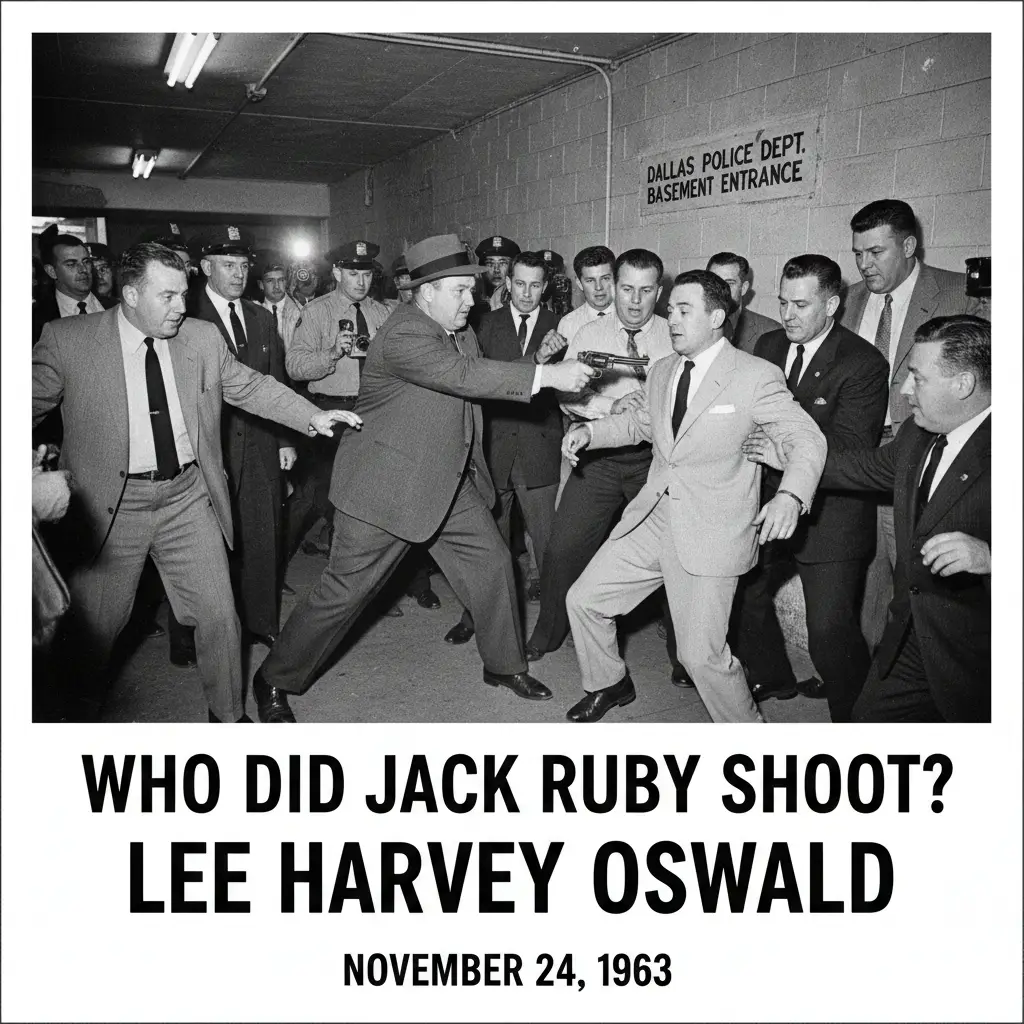
Who did Jack Ruby notoriously shoot on November 24th, 1963? On that fateful day, just two days after the assassination of President John F. Kennedy, Dallas nightclub owner Jack Ruby stepped out from a crowd of reporters and fatally shot Lee Harvey Oswald, the prime suspect in Kennedy’s murder. This shocking event unfolded live on national television in the basement of the Dallas Police Headquarters, marking a pivotal and chaotic moment in American history.
1. Introduction: The Infamous Shooting on November 24, 1963
Who did Jack Ruby notoriously shoot on November 24th, 1963? The answer—Lee Harvey Oswald—remains one of the most dramatic and consequential acts in U.S. history. Ruby’s single gunshot not only ended Oswald’s life but also silenced the man accused of assassinating President Kennedy, fueling decades of speculation about motives, conspiracies, and justice. This event, broadcast live to millions, highlighted the raw emotions and security lapses following one of the nation’s greatest tragedies.
2. Historical Context: JFK Assassination and Oswald’s Arrest
The shooting occurred amid the shock of President John F. Kennedy’s assassination on November 22, 1963, in Dallas, Texas. Kennedy was riding in an open motorcade when he was struck by bullets fired from the Texas School Book Depository. Lee Harvey Oswald, a former Marine and employee at the building, was arrested shortly after for Kennedy’s murder and the killing of Dallas police officer J.D. Tippit.
By November 24, Oswald was in custody at Dallas Police Headquarters. Authorities planned to transfer him to the county jail for security reasons, announcing the move to allow media coverage. This decision set the stage for the tragic events in the basement garage.
3. Who Was Jack Ruby? Early Life and Background
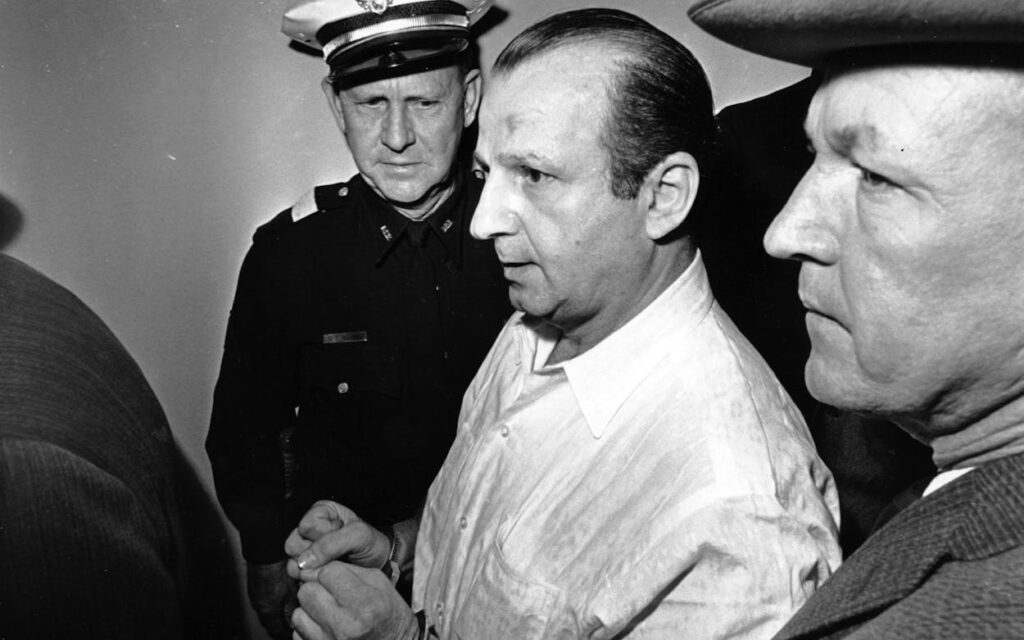
Jack Ruby, born Jacob Leon Rubenstein in Chicago around March 25, 1911, to Polish Jewish immigrants, had a turbulent early life. Raised in a dysfunctional family, he spent time in foster homes and developed a quick temper, often defending against antisemitism. Ruby moved to Dallas in 1947, legally changing his name, and became a nightclub owner, operating venues like the Carousel Club.
Known for his generosity to friends and close ties to local police, Ruby had minor brushes with the law but no major criminal convictions. He was deeply affected by Kennedy’s death, closing his clubs in mourning and expressing grief publicly.
texasmonthly.com Jack Ruby’s Diary Is the Latest Piece of JFK Memorabilia Headed to …
4. The Shooting: What Happened on November 24, 1963
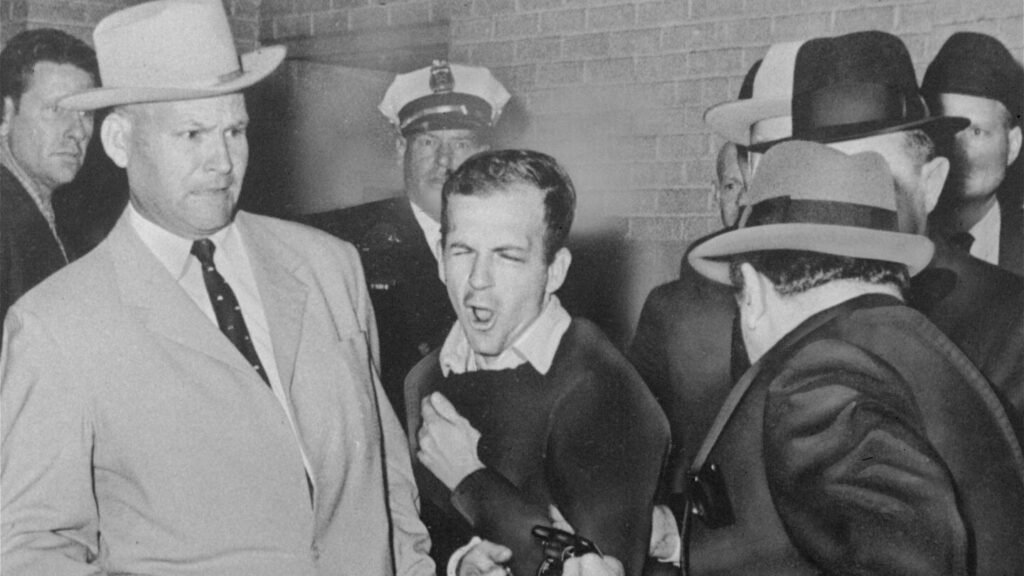
At approximately 11:21 a.m. CST, as Oswald was escorted through the police basement for transfer, Ruby emerged from the crowd of journalists and fired a single shot from a .38 revolver into Oswald’s abdomen. The incident was captured live on NBC television and in photographs, including Robert H. Jackson’s Pulitzer Prize-winning image.
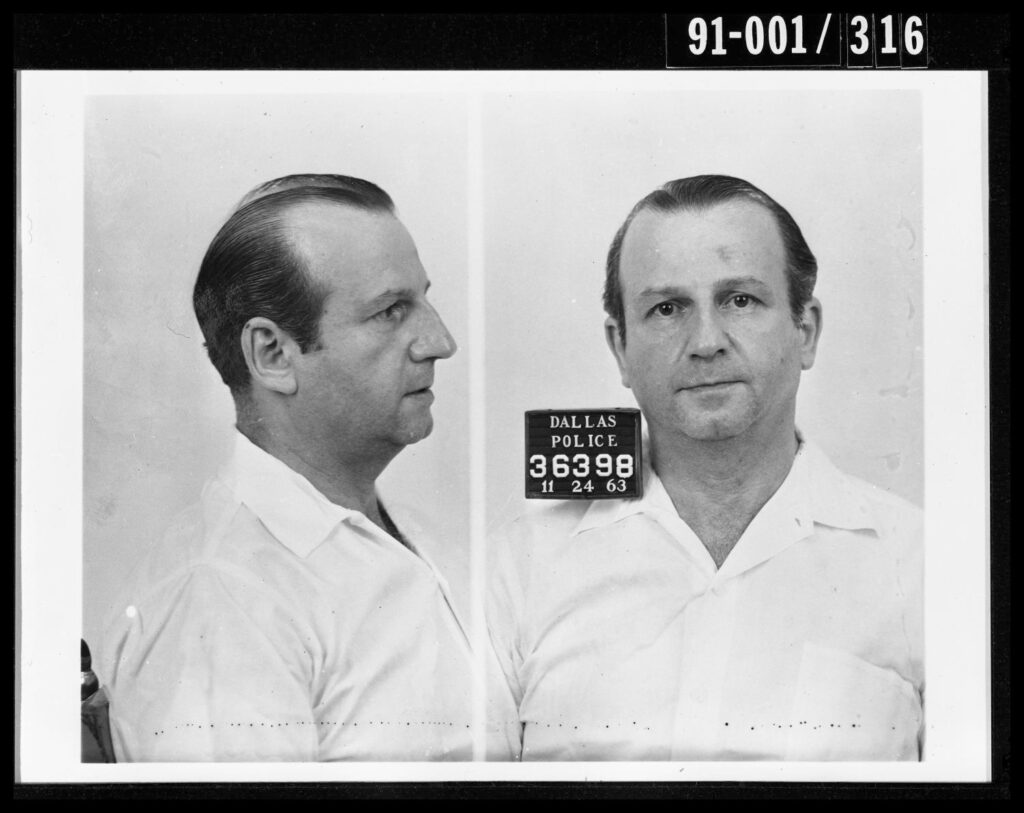
Oswald was rushed to Parkland Memorial Hospital—the same facility where Kennedy died—but succumbed to his injuries at 1:07 p.m. Ruby was immediately subdued and arrested, reportedly shouting that he acted to spare Jacqueline Kennedy the pain of a trial.
5. The Victim: Lee Harvey Oswald – Life and Alleged Crimes
Lee Harvey Oswald, born in 1939 in New Orleans, had a troubled childhood marked by instability. A former U.S. Marine, he defected to the Soviet Union in 1959 before returning to the U.S. in 1962 with his Russian wife, Marina.
Oswald was arrested for Kennedy’s assassination based on evidence including his rifle found at the Depository and eyewitness accounts. He denied involvement, claiming he was a “patsy.” His death prevented a full trial, leaving many questions unanswered.
6. Motives: Why Did Jack Ruby Shoot Oswald?
Ruby claimed he acted impulsively out of grief for Kennedy and to protect his family from further pain. He stated rage overwhelmed him upon seeing Oswald. Psychological evaluations suggested emotional distress, possibly exacerbated by amphetamines.
However, theories abound: some speculated Ruby silenced Oswald to cover a larger plot, citing his minor organized crime ties. Official investigations found no evidence of conspiracy, attributing his actions to personal impulse.
7. Media Impact: First Murder Broadcasted Live on Television
Ruby’s shooting of Oswald was the first known human killing broadcast live on television, shocking millions. NBC’s live feed captured the moment, with networks quickly replaying it. Robert H. Jackson’s photograph won the 1964 Pulitzer Prize, immortalizing the chaos and underscoring the media’s role in historic events.
This unprecedented coverage intensified public trauma and scrutiny of the Kennedy assassination aftermath.
8. Legal Aftermath: Arrest, Trial, and Conviction
Ruby was charged with murder. His 1964 trial, defended by Melvin Belli claiming temporary insanity, ended in conviction and a death sentence on March 14, 1964.
The verdict was overturned in 1966 due to procedural errors and venue issues. Before retrial, Ruby died on January 3, 1967, from a pulmonary embolism amid cancer treatment.
9. Conspiracy Theories and the Warren Commission
The Warren Commission (1964) concluded Oswald acted alone in killing Kennedy and Ruby acted alone in killing Oswald, finding no conspiracy links1.
Later inquiries, like the 1978 House Select Committee, suggested possible conspiracy in Kennedy’s death but not involving Ruby. Theories persist, often pointing to Ruby’s mob connections or desire to silence Oswald.
10. Public Reaction and Legacy
Americans were stunned; some viewed Ruby as a hero avenging Kennedy, others as a vigilante undermining justice. The events deepened national mourning and distrust2.
Today, it symbolizes unresolved questions about the Kennedy era, influencing culture, media, and ongoing debates.
11. FAQs
Who did Jack Ruby shoot and why?
Jack Ruby shot Lee Harvey Oswald3, claiming grief over Kennedy’s death and a desire to spare his widow a trial.
When and where did the shooting happen?
It occurred on November 24, 1963, at 11:21 a.m. in the basement of Dallas Police Headquarters.
Was Jack Ruby part of a larger conspiracy?
Official investigations, including the Warren Commission, found no evidence; Ruby acted alone.
What happened to Jack Ruby after the shooting?
He was convicted of murder, sentenced to death (overturned), and died of cancer in 1967 before retrial.
12. Conclusion: Why Nov 24, 1963 Still Matters Today
Who did Jack Ruby notoriously shoot on November 24th, 1963? Lee Harvey Oswald’4s death at Ruby’s hands remains a defining moment, preventing full accountability for Kennedy’s assassination and perpetuating intrigue. This event underscores themes of grief, impulse, and transparency in democracy, reminding us why Jack Ruby notoriously shot on November 24th, 1963, continues to captivate and divide.
See More
References
- Encyclopædia Britannica – “Jack Ruby” biography. https://www.britannica.com/biography/Jack-Ruby Covers Ruby’s early life, background, the shooting, trial, and death. ↩︎
- History.com – “Jack Ruby kills Lee Harvey Oswald” (November 24, 1963). https://www.history.com/this-day-in-history/november-24/jack-ruby-kills-lee-harvey-oswald Provides detailed timeline of the shooting, motives, trial, and public reaction. ↩︎
- Wikipedia – “Jack Ruby” (sourced from verified historical records). https://en.wikipedia.org/wiki/Jack_Ruby Comprehensive overview of Ruby’s life, connections, and the event. ↩︎
- Warren Commission Report (1964) – Official U.S. Government report via National Archives. https://www.archives.gov/research/jfk/warren-commission-report Concludes no conspiracy involving Ruby or Oswald; details investigation into motives and actions. ↩︎
